-
A conversation between Mitch Wertlieb and a Granville-base expedition scientist and conservationist, originally broadcast Dec. 30th 2025.
-
Little grains of salt can have a big impact on the environment.
-
 Experienced Vermont skaters discuss the joys of skating on wild ice.
 -
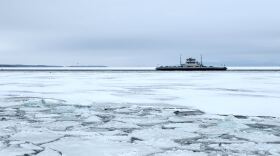 Satellite imagery has helped observers confirm the lake is covered in ice for the first time in seven years.
 -
A new book explains how microplastics get into our waterways and into our bloodstreams.
-
 Scientists have long considered excess phosphorus to be the culprit behind cyanobacteria blooms, which can be harmful to humans and other animals. But a recent University of Vermont study finds nitrogen also plays a key role in fueling them.
 -
 Ted Lawson has traveled the world and now directs ECHO, Leahy Center for Lake Champlain. Here’s what he’s learned.
 -
 Brave Little StateThe Midwest is home to five Great Lakes. But for a short time in the late 1990s, there were six — after one Vermont lake crashed the party.
 -
 Scientists say the fish are a reliable measure of lake and basin ecological health.
 -
Before you head out to enjoy Vermont's lakes and ponds, it's a good idea to check the water status to make sure it's safe to swim — and refresh yourself on how to spot cyanobacteria on your own.

Vermont Public is independent, community-supported media, serving Vermont with trusted, relevant and essential information. We share stories that bring people together, from every corner of our region.
© 2026 Vermont Public | 365 Troy Ave. Colchester, VT 05446
Public Files:
WVTI · WOXM · WVBA · WVNK · WVTQ
WVPR · WRVT · WOXR · WNCH · WVPA
WVPS · WVXR · WETK · WVTB · WVER
WVER-FM · WVLR-FM · WBTN-FM
For assistance accessing our public files, please contact hello@vermontpublic.org or call 802-655-9451.
© 2026 Vermont Public | 365 Troy Ave. Colchester, VT 05446
Public Files:
WVTI · WOXM · WVBA · WVNK · WVTQ
WVPR · WRVT · WOXR · WNCH · WVPA
WVPS · WVXR · WETK · WVTB · WVER
WVER-FM · WVLR-FM · WBTN-FM
For assistance accessing our public files, please contact hello@vermontpublic.org or call 802-655-9451.
Play Live Radio
Next Up:
0:00
0:00
Available On Air Stations


