-
 A growing number of support groups in Vermont are using music to foster joy and connections for people with memory loss and their caregivers.
 -
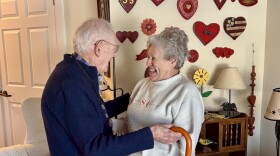 For many married couples, when one partner is diagnosed with dementia, there’s often no question that the other will become the caregiver. It’s the hard part of the "for better or for worse" marriage vow.
 -
 Researchers at the University of Vermont have identified new blood tests that could help predict a person's risk for dementia long before they show any symptoms. These tests are not available for patient use yet.
 -
Plus, resources for care givers from the Alzheimer's Association and the Vermont Department of Health.
-
Researchers at St. Michael's College discovered a potential breakthrough in Alzheimer's treatment by examining the inner workings of spider brains.
-
 In a large study, the experimental Alzheimer's drug lecanemab reduced the rate of cognitive decline by 27 percent in people in the early stages of the disease.
 -
 We learn about what happens when younger people are diagnosed with what’s often thought of as an older person’s disease: Alzheimer's.
 -
 Researchers launched a major study of an experimental Alzheimer's drug this summer. They also learned a lot about how to protect participants who must make frequent visits to a medical center.
 -
 After a decade of failure in treating Alzheimer's with drugs, the National Institutes of Health is funding a five-year effort in Seattle to learn more about how the disease starts in the brain.
 -
 Scientists are gaining insights into why Alzheimer's is more common in women. The answer involves genetics, hormones and sex-related brain differences.

Vermont Public is independent, community-supported media, serving Vermont with trusted, relevant and essential information. We share stories that bring people together, from every corner of our region.
© 2026 Vermont Public | 365 Troy Ave. Colchester, VT 05446
Public Files:
WVTI · WOXM · WVBA · WVNK · WVTQ
WVPR · WRVT · WOXR · WNCH · WVPA
WVPS · WVXR · WETK · WVTB · WVER
WVER-FM · WVLR-FM · WBTN-FM
For assistance accessing our public files, please contact hello@vermontpublic.org or call 802-655-9451.
© 2026 Vermont Public | 365 Troy Ave. Colchester, VT 05446
Public Files:
WVTI · WOXM · WVBA · WVNK · WVTQ
WVPR · WRVT · WOXR · WNCH · WVPA
WVPS · WVXR · WETK · WVTB · WVER
WVER-FM · WVLR-FM · WBTN-FM
For assistance accessing our public files, please contact hello@vermontpublic.org or call 802-655-9451.
Play Live Radio
Next Up:
0:00
0:00
Available On Air Stations


